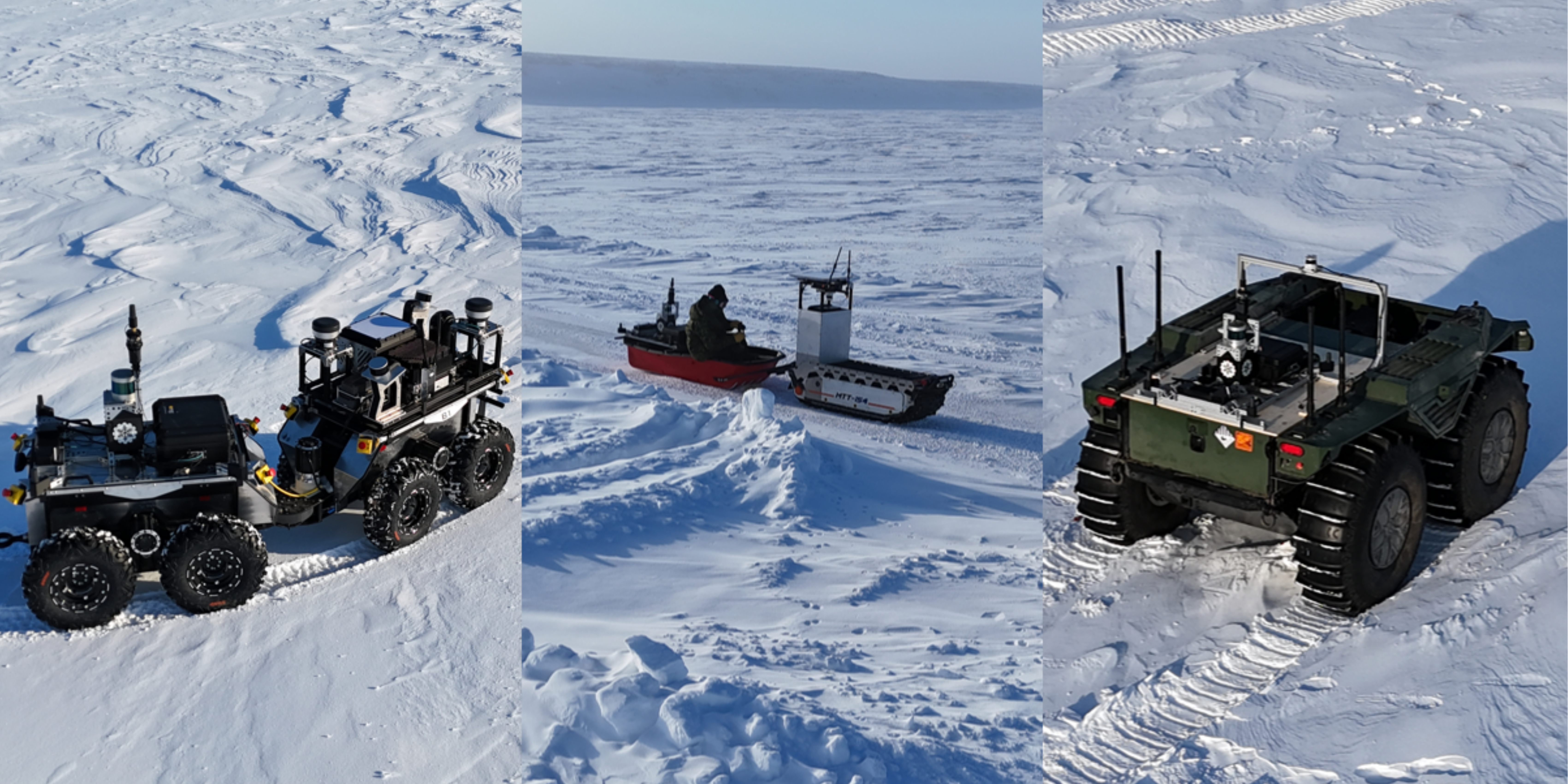
The Arctic is one of the most challenging environments for autonomous robotic systems. Extreme cold, featureless landscapes, snowstorms, and high solar activity create conditions that can severely impact localization, perception, communications, and vehicle reliability.
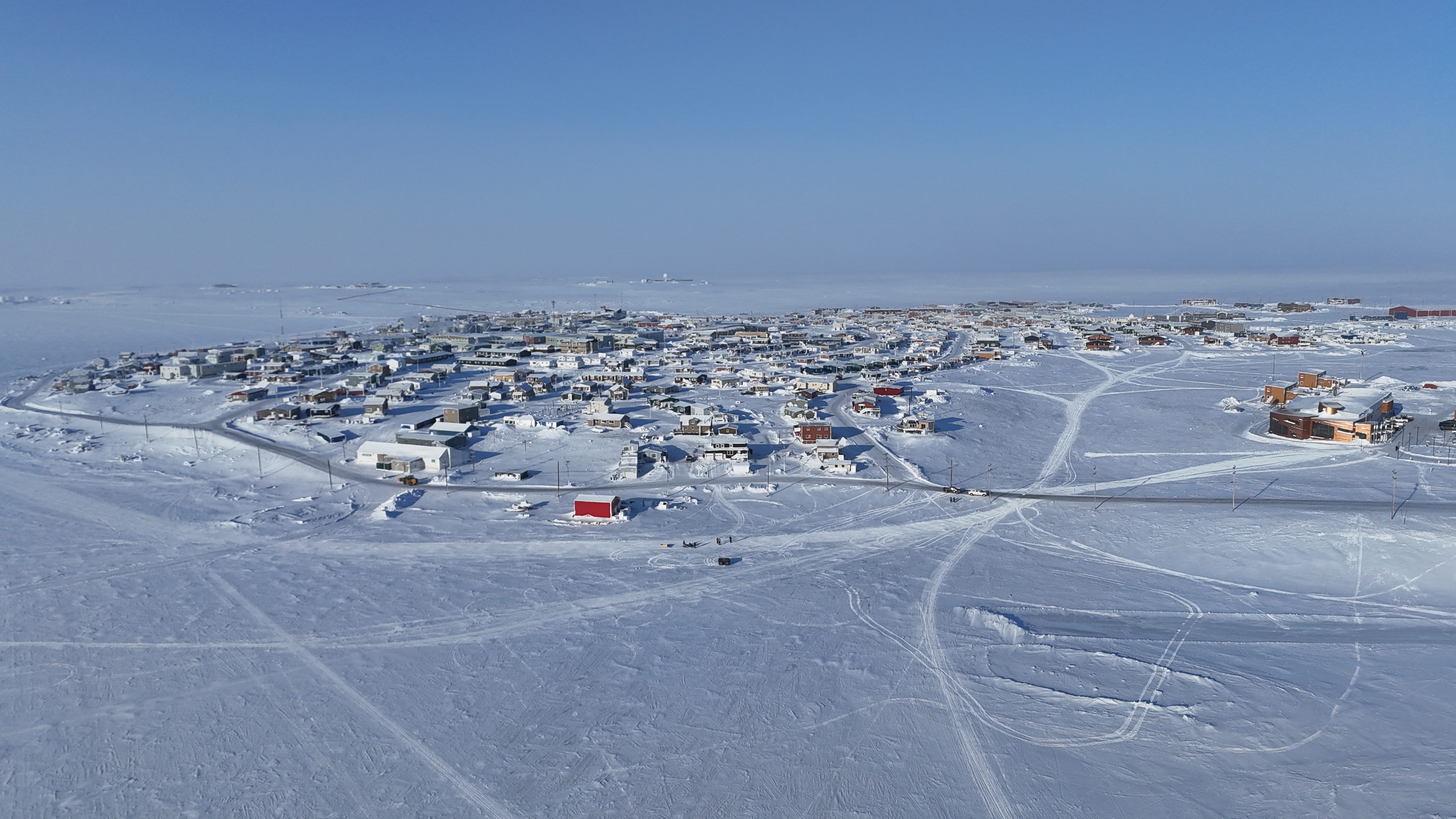
In March 2026, members of the Norlab team at Université Laval participated in Nanook Mission 2026 at CHARS in Cambridge Bay (Nunavut) with the DRDC. This field deployment aimed at understanding how robotic platforms perform under these extreme northern conditions.
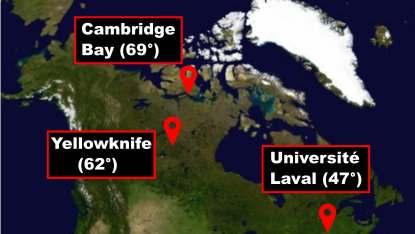
Why the Arctic Matters
As activities in northern regions continue to increase, robotic systems are expected to support operations in environments that are difficult, expensive, and sometimes dangerous for humans.
However, deploying robots in the Arctic introduces unique challenges:
- Temperatures below -50°C
- Strong winds and blizzard conditions
- Limited visual features for localization
- High-latitude GNSS effects
- Increased exposure to solar activity and auroral events
Understanding these challenges is essential for developing reliable autonomous systems capable of operating in remote northern environments.
Mission Objectives
For the UL team the mission focused on three primary objectives:
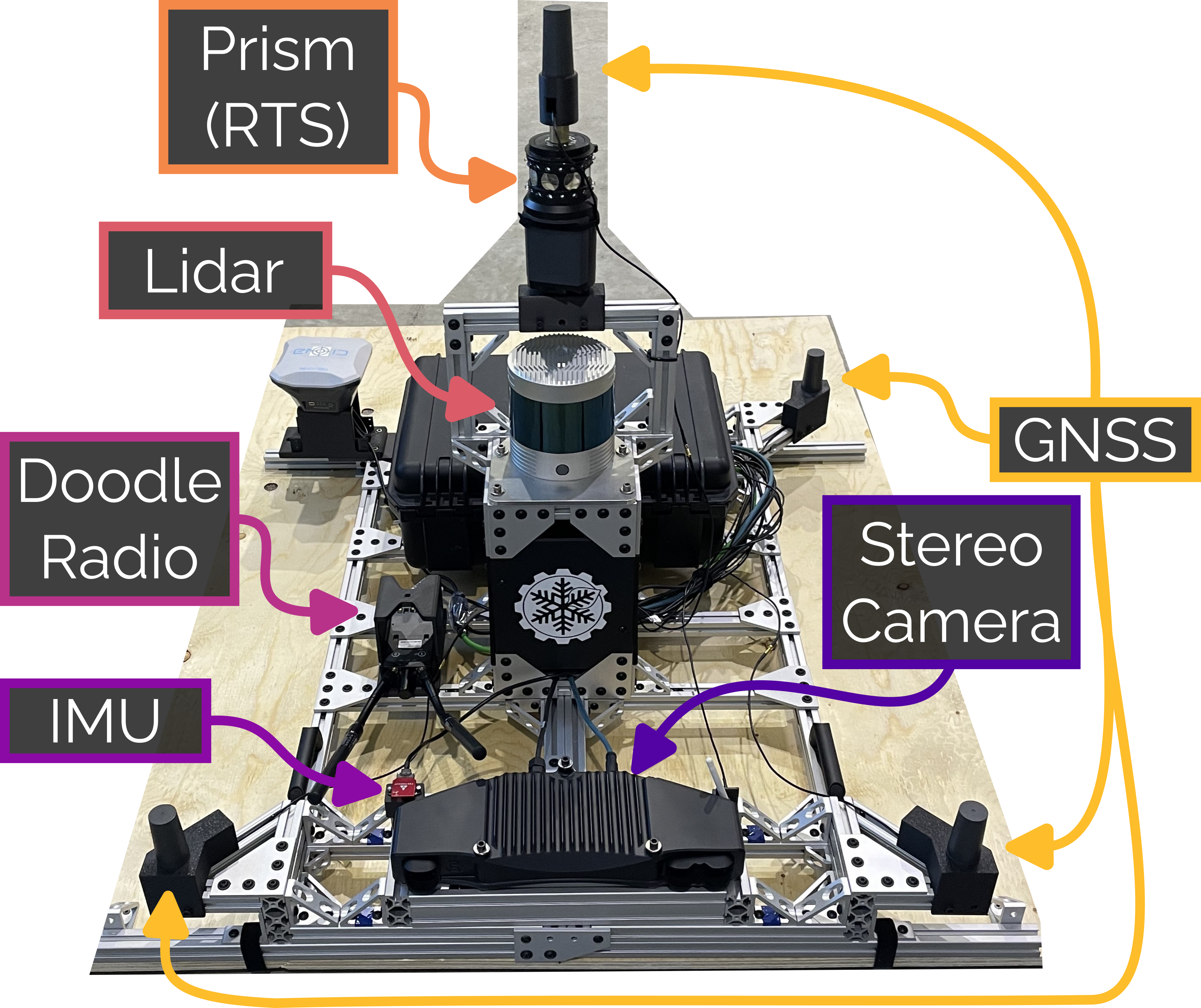
- Evaluate an array of GNSS antennas and characterize their performance in northern environments.
- Collect lidar data during challenging weather conditions, including blizzards and auroral activity.
- Gather operational knowledge and logistical insights to support future Arctic scientific missions.
Experimental Setup
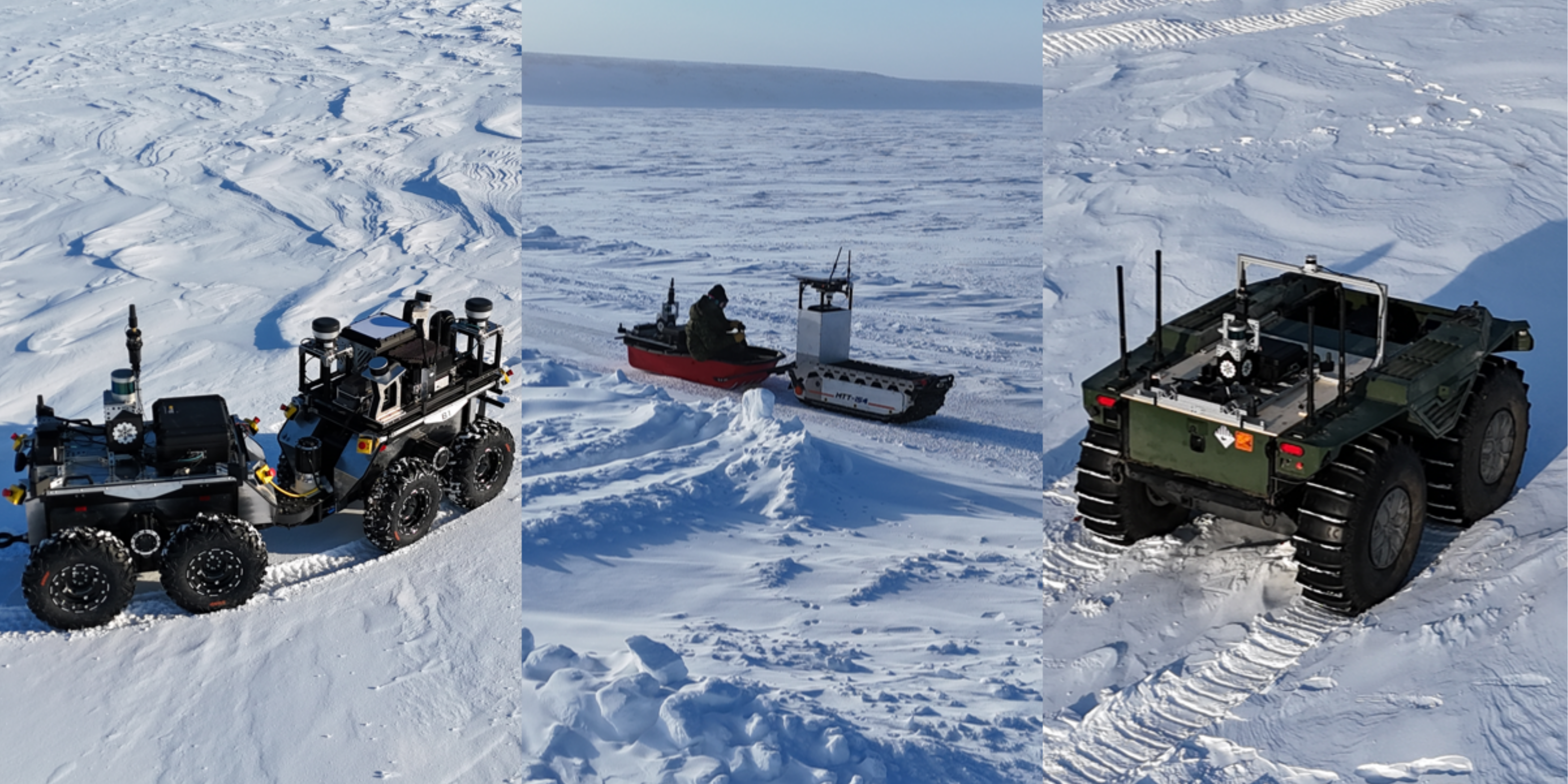
Norlab team didn’t bring a full platform as we mostly teamed with Tessellate using the rear part of the Beonyx. UL team focused their effort on data gathering with a custom sensor rack that was mounted on all three available onsite platforms.
| Beonyx (Tessellate) | MTT (DRDC Valcartier) | CXT (DRDC Suffield) |
|---|---|---|
| Primary autonomous platform used for navigation and perception experiments under various environmental conditions. | Articulated single-track vehicle towing a manually operated sled, used to explore the impact of high speed. | Platform used to study perception performance during severe weather events, including blizzard and extreme cold conditions. |
Data Collection Campaign
The data collection campaign covered five distinct environments: ocean ice, ice fields, ice roads, chars, and indoor garage facilities. Experiments were conducted under diverse operational conditions, including different lighting scenarios such as daylight, dusk, nighttime, and early morning, as well as varying weather conditions including clear skies, auroral activity, blizzards, and strong wind gusts.
Overall, the campaign resulted in the collection of 1.76 TB of data over 6.9 hours of experiments, providing a comprehensive dataset captured across multiple environmental and operational scenarios.
Key Observations
Autonomous Navigation in Featureless Environments
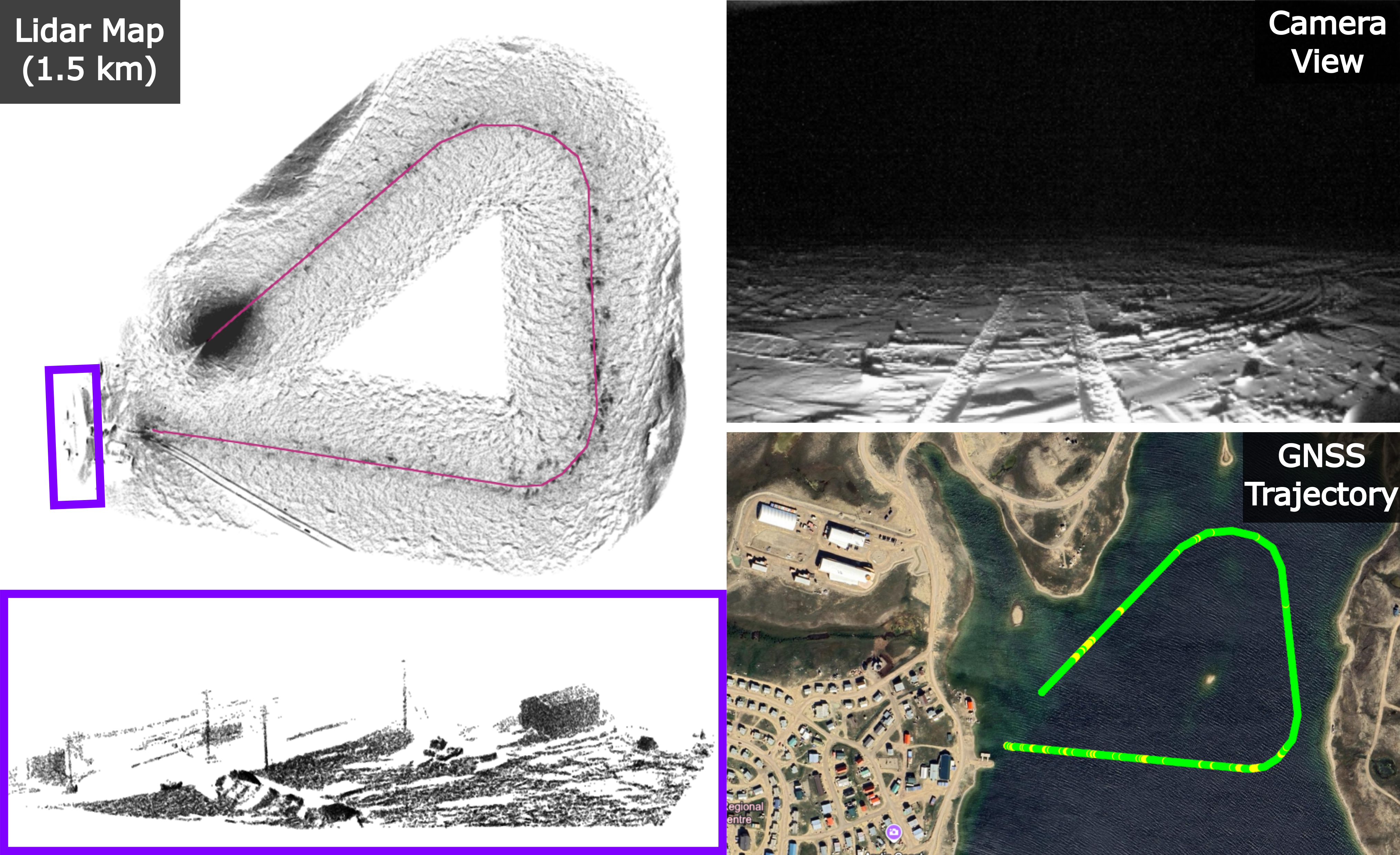
One of the most interesting experiments occurred on sea ice during nighttime conditions with moderate auroral activity.
The environment provided very little visual information apart from tracks left behind by the vehicle. Despite these challenges, the Beonyx platform successfully completed an autonomous run using S3Dw (Shared 3D World) waypoint navigation without requiring manual intervention.
This demonstrates the potential of geometry-based navigation approaches in environments where traditional visual landmarks are absent.
Operating on Ice Roads
Experiments with the MTT platform highlighted the mechanical challenges associated with Arctic deployment.
The vehicle experienced significant vibrations while traveling on ice roads, requiring continuous attention to hardware reliability. Several screws and mechanical components had to be secured during operations.
These observations reinforce an often-overlooked aspect of field robotics: environmental robustness is just as important as algorithmic performance.
Blizzard Conditions and Perception Challenges
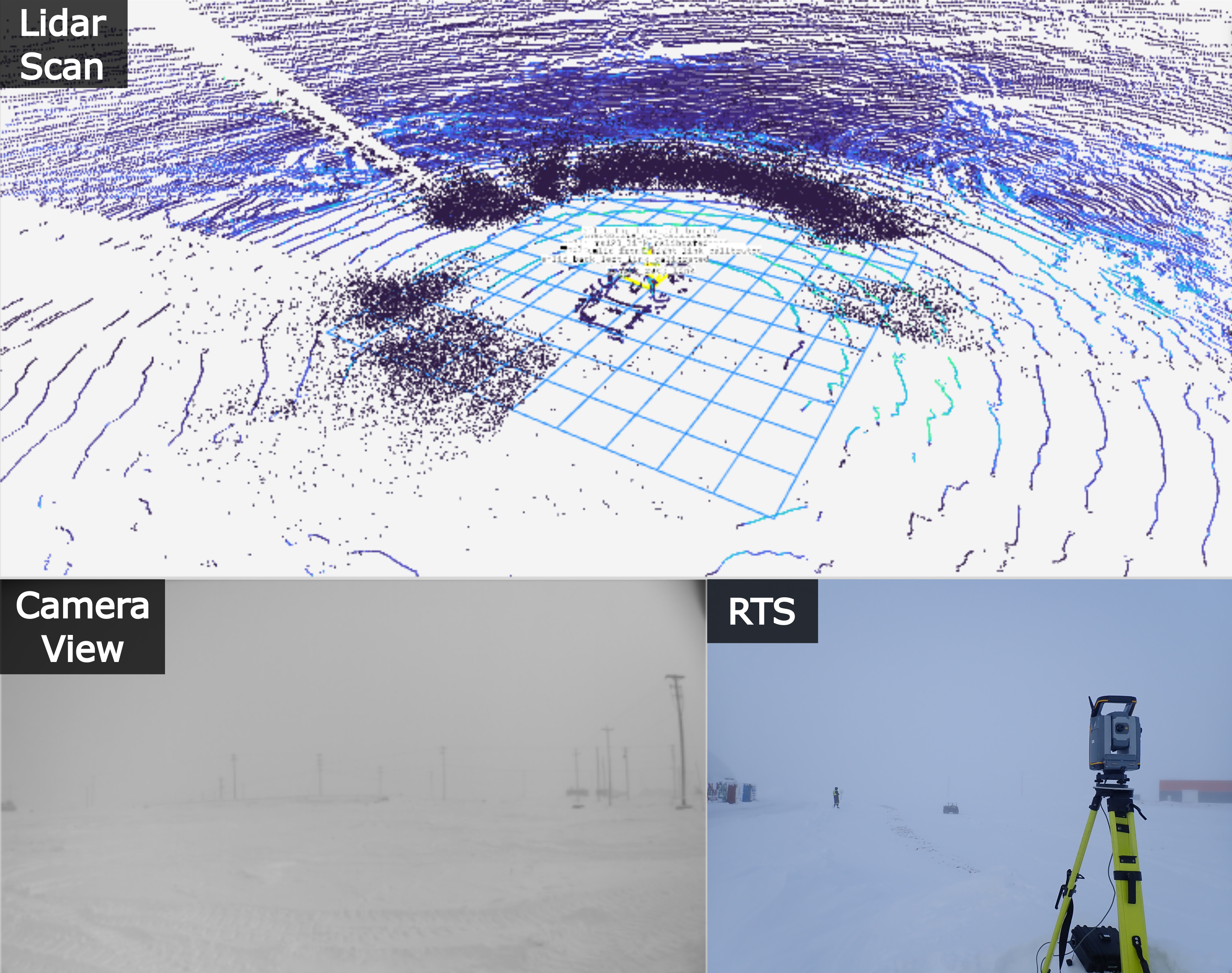
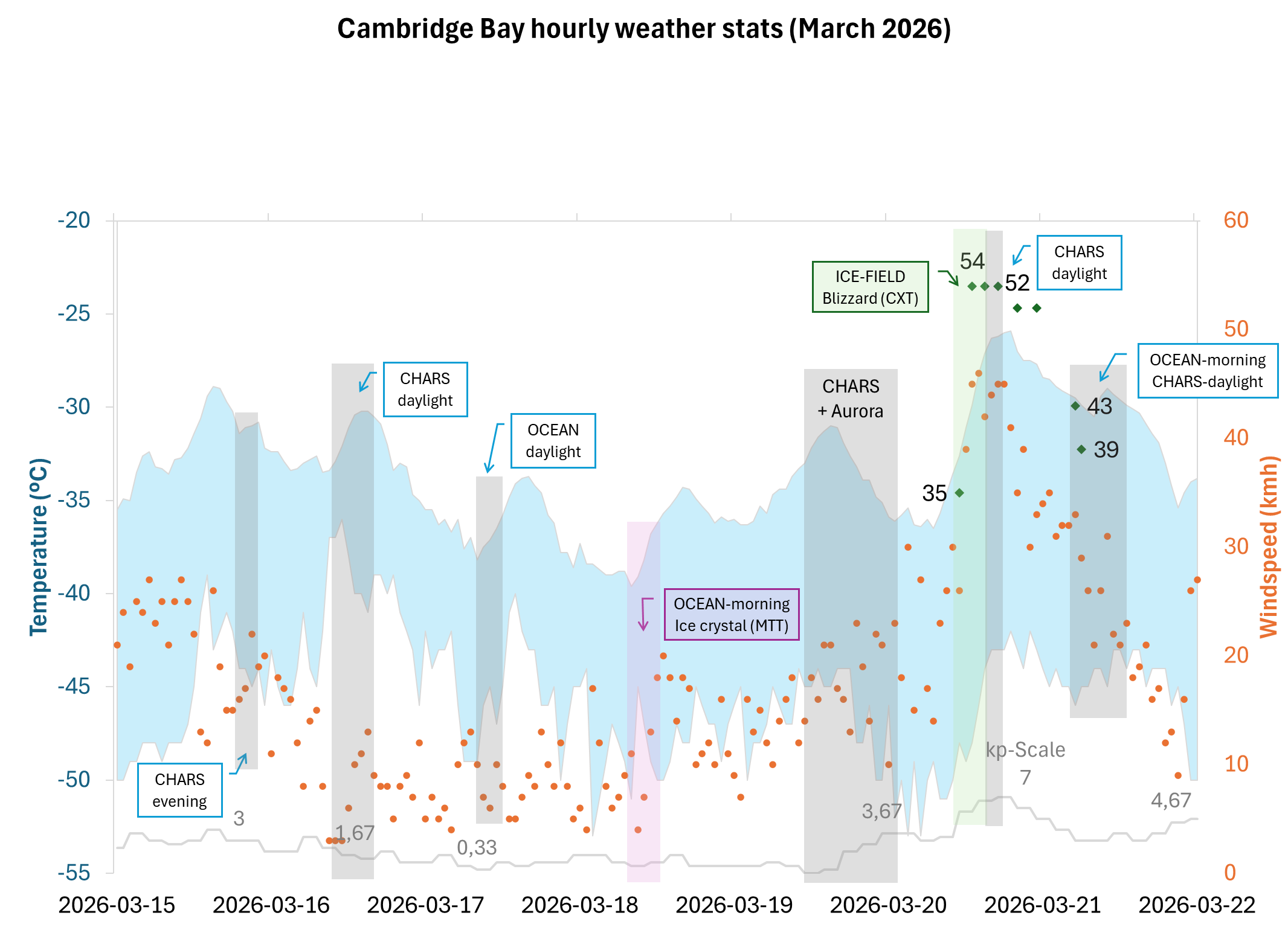
The harshest conditions encountered during the mission involved strong winds and blowing snow with the CXT platform.
During these experiments:
- Camera imagery became nearly unusable due to reduced visibility.
- Lidar sensors detected large quantities of suspended snow particles.
- Mapping and localization performance were affected by rapidly changing environmental conditions.
These datasets will help us better understand how modern perception systems behave in severe winter weather and how future algorithms can be improved.
Unexpected Observation: Ice Crystals in the Air
A particularly interesting phenomenon was observed during the early morning hours: airborne ice crystals suspended in the atmosphere.
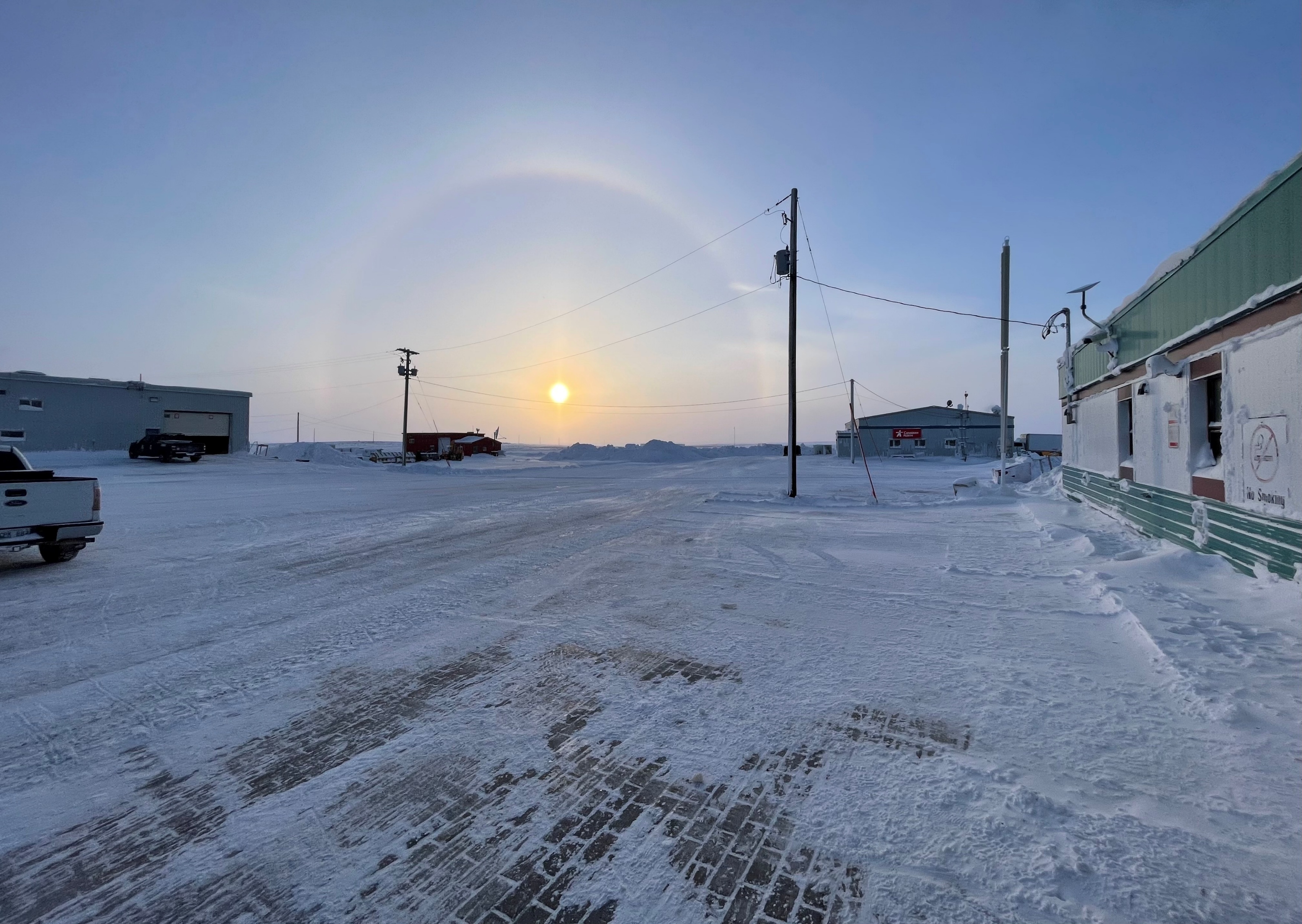
This raised several research questions:
- Do ice crystals affect lidar returns?
- How common are these conditions in Arctic regions?
- Are their effects similar to those observed during blizzards?
Answering these questions will require further analysis of the collected sensor data.
Environmental Conditions
Throughout the deployment, the team operated in temperatures ranging from −25.9°C to −53°C, creating significant challenges for batteries, mechanical systems, electronics, and field maintenance operations. Combined with transportation constraints and limited deployment windows, these extreme environmental conditions had a substantial impact on mission planning, logistics, and overall execution.
Lessons Learned
The campaign reinforced several important lessons about deploying autonomous robotic systems in Arctic environments. While the technical objectives were successfully achieved, the experience also highlighted the practical realities of operating in one of the most demanding environments on Earth.
Logistics Matter
Successful Arctic deployments depend on far more than the robots themselves. Transportation, equipment handling, and carefully planned deployment windows all play a critical role in mission success. Weather conditions, limited accessibility, and the need to move people and equipment safely can quickly become the primary constraints on field operations, making thorough logistical planning just as important as technical preparation.
Hardware Robustness Is Critical
Operating in temperatures as low as −53°C places extraordinary demands on robotic systems. Batteries experience reduced capacity, mechanical components become more susceptible to failure, and electronics must withstand both extreme cold and continuous vibration during transport and operation. These conditions rapidly reveal weaknesses that may go unnoticed during conventional testing, emphasizing the importance of designing hardware specifically for harsh environments.
Perception Remains an Open Challenge
Reliable perception in Arctic environments continues to be a significant research challenge. Snow-covered terrain often lacks distinctive visual features, while blowing snow, ice crystals, and rapidly changing illumination can degrade the performance of cameras and lidar sensors. Developing perception systems that remain robust under these conditions is essential for enabling reliable autonomous navigation in northern environments.
Real-World Data Is Essential
Although simulation and laboratory experiments are invaluable during system development, they cannot fully reproduce the complexity of Arctic field conditions. Real deployments expose robotic systems to the combined effects of weather, terrain, temperature, and operational constraints that are difficult to replicate elsewhere. The data collected during this campaign will therefore play an important role in improving and validating future perception and navigation algorithms designed for year-round autonomous operation.
What’s Next?
The next phase of the project focuses on detailed analysis of:
- GNSS performance in northern latitudes
- Lidar behavior during blizzards and snow events
- Effects of auroral activity on sensing and localization
- Environmental phenomena such as airborne ice crystals
These results will help guide future deployments and contribute to the development of more resilient robotic systems for Arctic operations.
Acknowledgements
This research was supported by Defence Research and Development Canada (DRDC) through the CRYOTIC research program.